
Smart Charge Points Regulations 2021
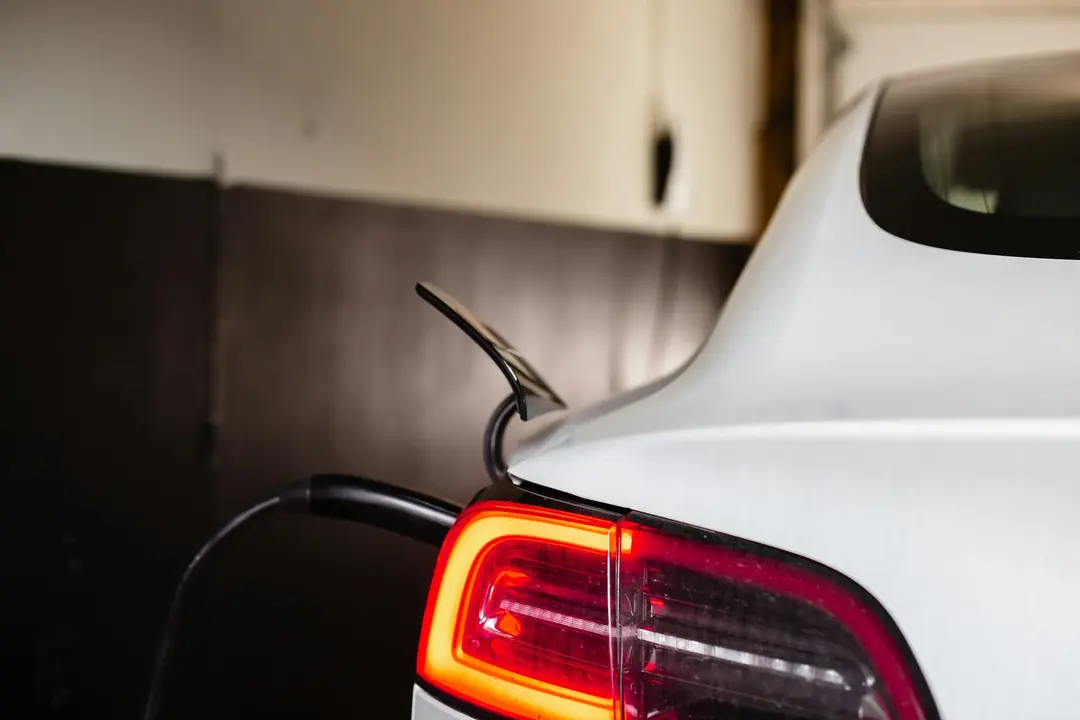
Everything you need to know about the EV smart charge regulations, include the default charge schedule and randomised delay.
Summary
The first part of the government’s Electric Vehicles (Smart Charge Points) Regulations 2021 came into force on the 30th June 2022. The second part of these regulations focuses on increased security and came into force on the 30th December 2022. The measures were designed to help manage increasing electricity demand from the UK’s transition to electric vehicles (EVs), and improve security protocols. New charge points under these regulations need to:
- Come pre-configured with a charging schedule.
- Apply a random delay of up to 10 minutes at the start or end of a schedule, or after a power/comms interruption.
- Have increased smart functionality.
- Have a tamper detection mechanism installed.
- Provide transparent and secure software updates.
Note: Existing domestic or workplace chargers aren’t affected. Additionally, the regs only apply in England, Wales and Scotland.
What are the Smart Charging Regulations?
With more drivers turning to electric cars in the UK, the government has designed the regulations to set out in law what capabilities home and workplace chargers should have.
One of the key measures is the focus on smart charging functionality to enable chargepoints to prioritise charging when there’s less demand on the grid or when greater renewable energy supply is available.
The regulations have also been designed to give end-users more detailed information and statistics on their charging events, as well as additional security protection.
Why did they happen?
The widespread adoption of EVs in the UK forms a key part of the government’s strategy to reach net-zero greenhouse emissions by 2050. This includes support in the form of financial grants targeting homeowners and businesses, as well as changes to Building Regulations.
While the rise in electric cars presents a potential challenge to the nation’s energy grid, it’s been assured that the grid can meet this demand – but only if EV charging is optimised in terms of its timeframe.
By creating a more flexible energy system, the grid will be able to support the UK’s transition to EVs. The changes also promote the use of smart charging and associated flexibility that will allow for easier integration of clean, renewable electricity into the grid.
In this way, the regulations seek to raise standards in the EV charging industry and enable an intelligently managed and future-proofed energy ecosystem.
What are the key features of the regulations?
Applicable from 30th June 2022:
- Default charge schedule New charge points must now come with a pre-configured default charging schedule. This schedule only charges EVs during off-peak hours when there’s typically less demand for electricity, which is outside:
- 8am – 11am Saturday and Sunday.
- 4pm – 10pm Monday to Friday.
This has a number of benefits. Firstly, it ensures your EV will charge during the most cost-effective time frame for anyone with a “Time of Use” tariff, with energy being cheaper during off-peak hours. This is because electricity demand is at its lowest overnight. But it also helps the grid operators by moving EV charging away from periods of high demand.
The key takeaway is that for charge points installed on or after the 1st of July 2022, your car won’t charge inside of these times by default.
- Randomised delay Alongside the default charge schedule, charge points also need to randomise the start or end of a charging session by up to 10 minutes*.
This measure is for protecting the grid and local substations from instantaneous surges in demand, such as at the beginning of the default schedule when everyone’s charge point activates and their EVs start charging. Similarly, it prevents unexpected surges like after a power outage or loss of internet connection.
Instead, the demand is spread out with a random delay of up to 10 minutes*, meaning your charger may not start or end its charging session immediately.
This could result in you losing out on a few minutes of a lower electricity rate, but it’s necessary to protect the energy grid and keep EVs charging reliably.
*This could be increased by up to 30 minutes by energy companies, although we’re yet to see any indication of any intent to make use of a longer delay.
- Increased transparency on charging stats Drivers now have to be able to see additional information on their charging sessions. These stats include:
- The total time within a charging session that power flowed between chargepoint and vehicle (including the amount of energy supplied in kWh).
- All your charging events in the past over the last 12 months, which can be viewed individually or grouped by week, month, or year.
Applicable from 30th December 2022: 4. Tamper detection mechanism EV charge points must now include a tamper detection mechanism. This device records any attempts to remove the face plate and notifies the charge point’s owner.
-
Security event log Charge point owners must now be able to see a log of notifications in relation to their charger via a recorded security event log.[
-
Transparent firmware details As part of the regulations’ aim to improve transparency, users will be able to see which software version their charge point has, as well as when a software update is due.
-
Updated software and security standards New enhanced encryption and authentication standards further improve the security of charge points connected to online networks.
Other requirements
Other requirements from the regulations include:
-
Smart functionality – charge points must be able to allow drivers to charge their EVs at periods of lower demand, or when there’s more clean energy available. They also need the ability to send and receive information across a secure network.
-
Demand side response services – charge points must be able to defer charging/vary its rate in response to external signals. This will allow energy firms to offer additional services, such as variable rate electricity pricing when demand is lower or renewable energy supply is higher.
-
Electricity supplier interoperability – charge points must be able to retain their smart functionality even if the user changes to a different electricity supplier.
-
Loss of communications – charge points must continue to charge the vehicle even if it loses its connection to the user’s communications network.
-
Safety features – users must not be able to carry out any operation that risks their or someone else’s health and safety.
-
Statement of Compliance – all charge points sold must now include a State of Compliance document that demonstrates its compliance with the regulations. This also needs to include details of the manufacturer.
Explore More
Compare the PlugStream range
See how PlugStream 7S, PlugStream 7T, and the PlugStream 22 family fit different homes, commercial sites, and daily charging routines.