Home Charging

Smart home EV charging that fits how you live, drive, and use energy.

From daily driveway charging to future-ready solar and tariff strategies, PlugStream helps households choose the right charger format and keep the whole setup simple to live with.

Read the latest launch update in our PlugStream 7 family blog post.

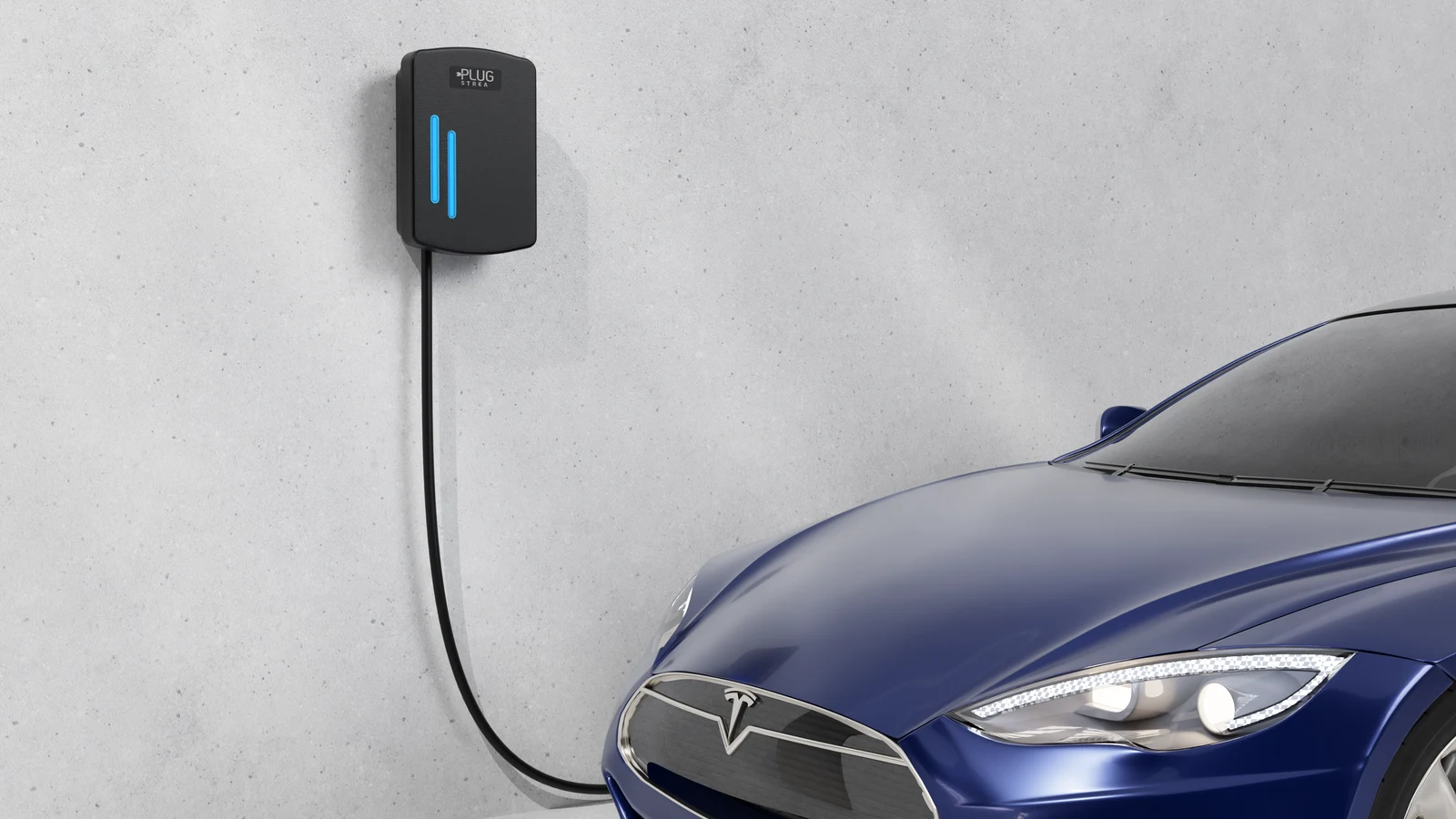
PlugStream home EV charger installed beside a parked car

What Matters At Home

A home charging setup should work with the property, not fight it.

PlugStream home charging is designed around daily habits, household energy use, installation practicality, and the flexibility drivers need as vehicles and routines change.

Choose the hardware that fits your routine

PlugStream 7S suits homes that want cable flexibility, while PlugStream 7T keeps the lead ready for quick everyday charging. The PlugStream 22 family is available where three-phase supply allows faster charging.

Charge around your tariff and your solar

Use scheduling, tariff-aware charging, and solar-aware behaviour to line charging up with your energy strategy instead of treating every session the same.

Keep installation simple and future ready

Built-in safety features, multiple connectivity options, and over-the-air software updates help your charger work today and keep improving tomorrow.

Choose Your Charger

Three clear routes for home charging

Start with how the charger will be used each day, then choose the product that best matches the bay, the cable preference, and the available supply.

PlugStream 7S

Socketed 7.4kW charging for households that want flexibility between vehicles, cables, or shared-use bays.

View product

PlugStream 7T

Tethered 7.4kW charging for drivers who want the cable ready every time they arrive home.

View product

PlugStream 22 Family

Higher-power charging for homes with three-phase supply, starting with the socketed PlugStream 22S.

View product

Installation Journey

What a good home charging rollout looks like

The right home charger decision usually comes down to a small number of practical steps. PlugStream keeps those decisions clear for both installers and homeowners.

Step 1

Assess the parking location, the household supply, and whether the bay is dedicated or shared.

Step 2

Choose the right product format: 7S for flexibility, 7T for convenience, or the PlugStream 22 family for higher-demand sites.

Step 3

Commission the charger with the right connectivity path, tariff settings, and app setup for the driver.

Step 4

Use smart scheduling, solar features, and ongoing software updates to keep the charger aligned with the home energy setup.

Need help choosing between 7S and 7T?

If the bay is shared or the cable may change, start with PlugStream 7S. If one driver uses the same home bay every day, PlugStream 7T usually delivers the quickest charging routine.

Compare the PlugStream 7 family

FAQ

Home charging questions

Helpful answers for homeowners narrowing down the right PlugStream setup.

Which PlugStream charger is best for most homes?

For most single-phase homes, PlugStream 7S or PlugStream 7T will be the best fit. The right choice depends on whether you prefer a socketed or tethered cable format.

Can PlugStream work with smart tariffs?

Yes. PlugStream is designed to support scheduled charging and tariff-aware behaviour so drivers can make better use of lower-cost charging periods where available.

What if I add solar or another EV later?

PlugStream is designed for long-term flexibility, with solar-aware charging options, load management support, and software updates that help the charger evolve with the property.

Do I need a tethered or socketed charger?

Choose PlugStream 7T if one driver uses the same bay every day and wants speed of use. Choose PlugStream 7S if the bay may serve more than one vehicle or if cable flexibility matters.